Directing
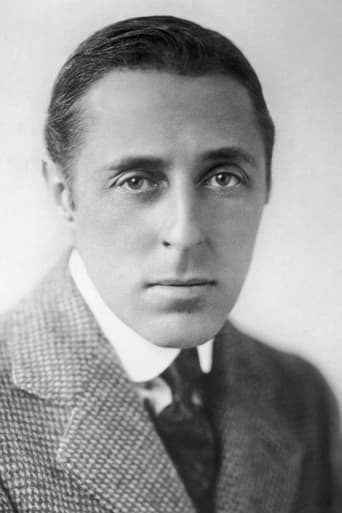
D.W. Griffith
David Llewelyn Wark Griffith was a premier pioneering American film director. He is best known as the director of the controversial and groundbreaking 1915 film The Birth of a Nation and the subsequent film Intolerance (1916). Griffith's film The Birth of a Nation made pioneering use of advanced camera and narrative techniques, and its immense popularity set the stage for the dominance of the feature-length film. It also proved extremely controversial at the time and ever since for its negative depiction of Black Americans and their supporters, and its positive portrayal of slavery and the Ku Klux Klan. Griffith responded to his critics with his next film, Intolerance, intended to show the dangers of prejudiced thought and behavior. The film was not the financial success that its predecessor had been, but was received warmly by critics. Several of his later films were also successful, but high production, promotional, and roadshow costs often made his ventures commercial failures. Even so, he is generally considered one of the most important figures of early cinema.
Ask which D.W. Griffith to watchBest known for
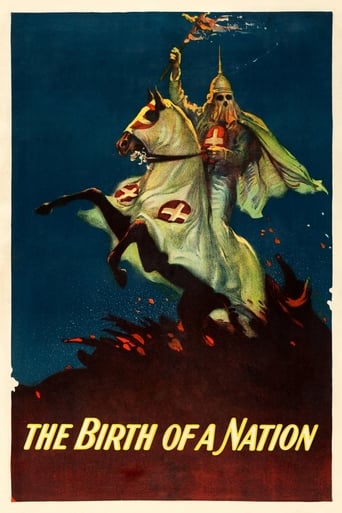
The Birth of a Nation
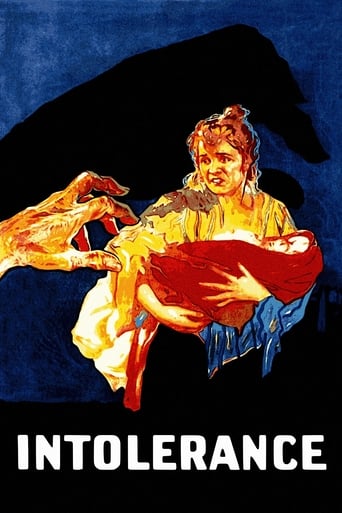
Intolerance: Love's Struggle Throughout the Ages
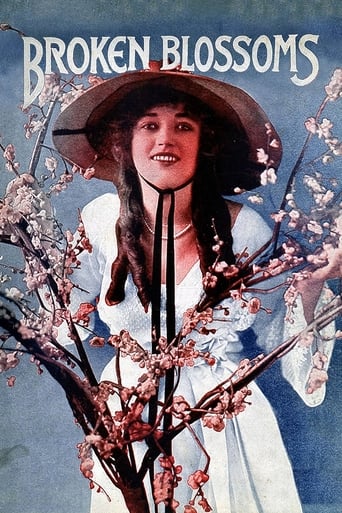
Broken Blossoms or The Yellow Man and the Girl

Way Down East

A Corner in Wheat
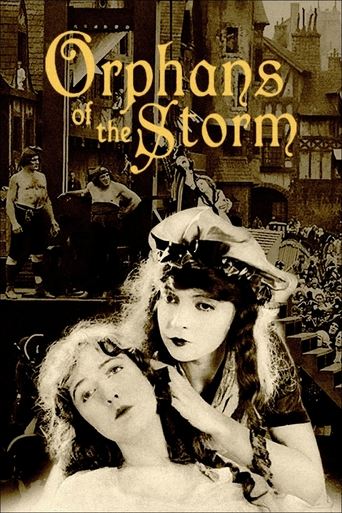
Orphans of the Storm
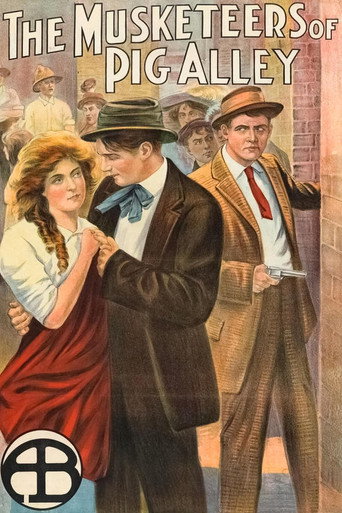
The Musketeers of Pig Alley
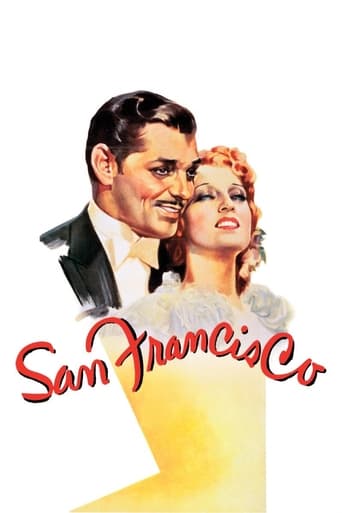
San Francisco
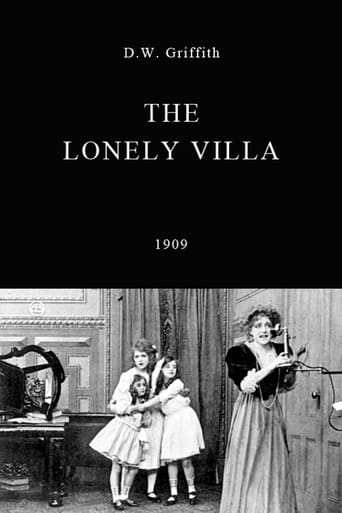
The Lonely Villa
The King of Kings
Those Awful Hats
The Lonedale Operator
True Heart Susie
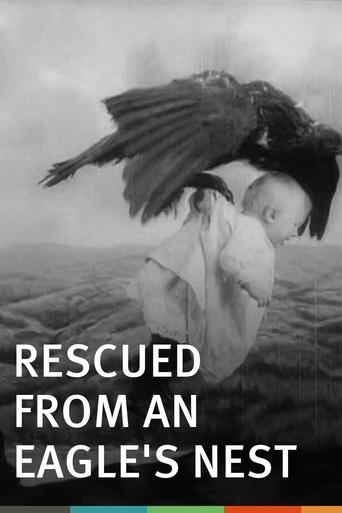
Rescued from an Eagle's Nest
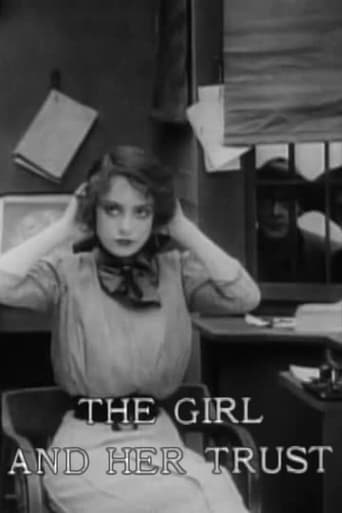
The Girl and Her Trust
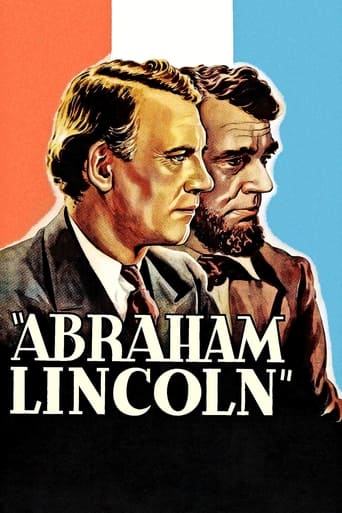
Abraham Lincoln
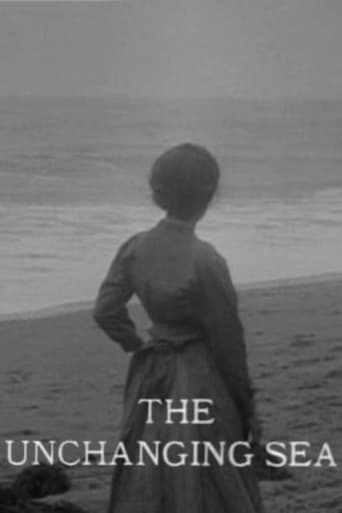
The Unchanging Sea
The Country Doctor
Movies (543)
The Birth of a Nation
Intolerance: Love's Struggle Throughout the Ages
Broken Blossoms or The Yellow Man and the Girl
Way Down East
A Corner in Wheat
Orphans of the Storm
The Musketeers of Pig Alley
San Francisco
The Lonely Villa
The King of Kings
Those Awful Hats
The Lonedale Operator
True Heart Susie
Rescued from an Eagle's Nest
The Girl and Her Trust
Abraham Lincoln
The Unchanging Sea
The Country Doctor
The Sealed Room
The Battle at Elderbush Gulch
The Mothering Heart
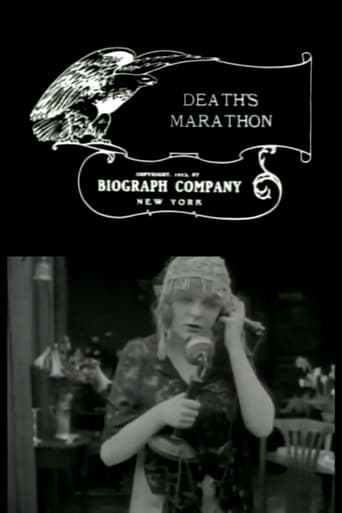
Death's Marathon
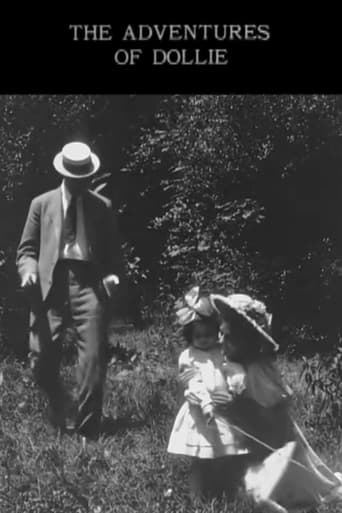
The Adventures of Dollie

The Avenging Conscience

Judith of Bethulia
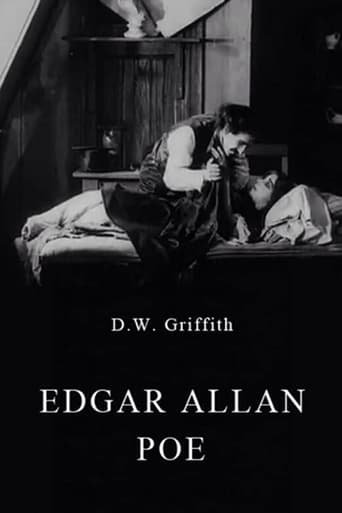
Edgar Allen Poe
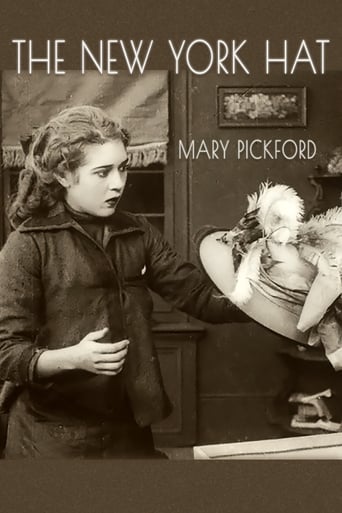
The New York Hat
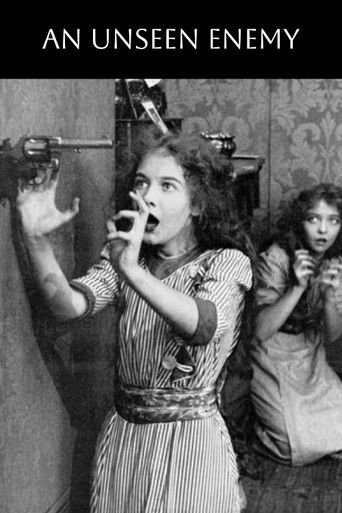
An Unseen Enemy
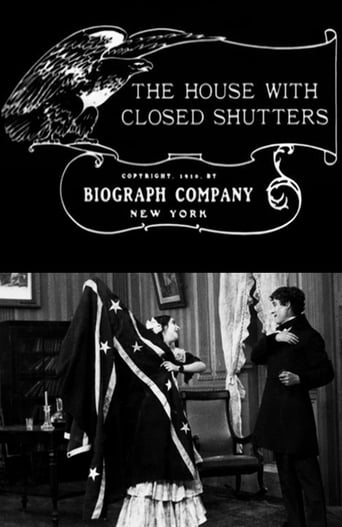
The House with Closed Shutters
The Tramp and the Dictator
His Trust
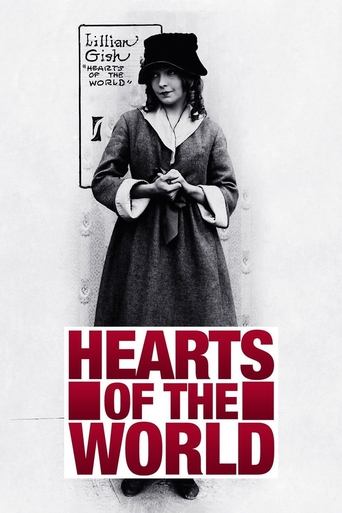
Hearts of the World

A Trap for Santa Claus
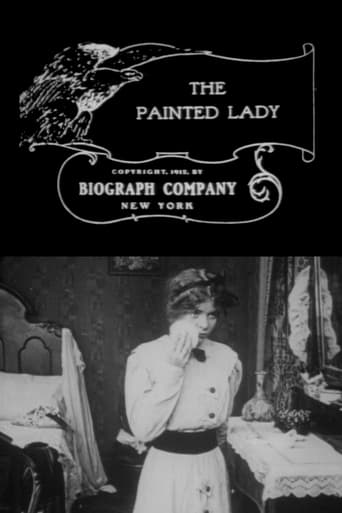
The Painted Lady
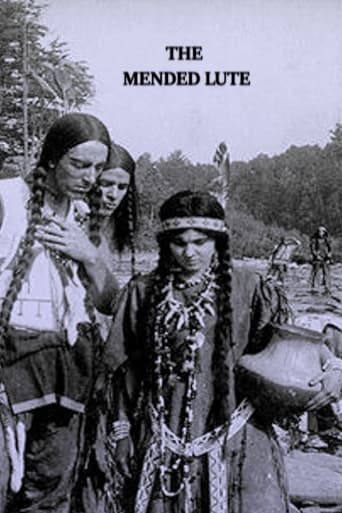
The Mended Lute

The Massacre