Writing
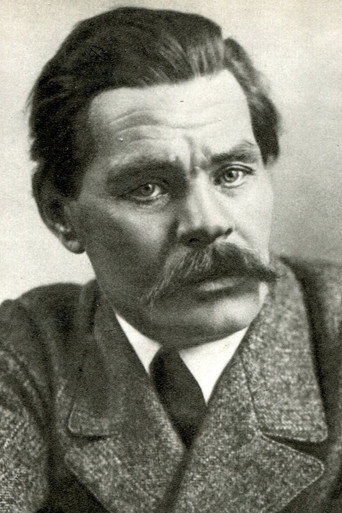
Maxim Gorky
Alexei Maximovich Peshkov (1868–1936), popularly known as Maxim Gorky (Russian: Максим Горький), was a Russian writer and political activist. He was nominated five times for the Nobel Prize in Literature. Before his success as an author, he travelled widely across the Russian Empire changing jobs frequently, experiences which would later influence his writing. Gorky's most famous works are a short story collection 'Sketches and Stories' (1899), plays 'The Philistines' (1901), 'The Lower Depths' (1902) and 'Children of the Sun' (1905), poem 'The Song of the Stormy Petrel' (1901), autobiographical trilogy 'My Childhood', 'In the World', 'My Universities' (1913–1923), and novel 'Mother' (1906). Though Gorky himself judged some of these works as failures, most are now seen as masterpieces. Some of his less-known post-revolutionary works such as the cycles 'Fragments from My Diary' (1924) and 'Stories of 1922–1924' (1925), and novels 'The Artamonov Business' (1925) and 'The Life of Klim Samgin' (1925–1936), Gorky himself was more proud of; the latter is considered Gorky's masterpiece and sometimes being viewed by critics as a modernist work. Unlike his pre-revolutionary writings (known for their "anti-psychologism"), these differ with an ambivalent portrayal of the Russian Revolution and "unmodern interest to human psychology" (as noted by D. S. Mirsky).
Ask which Maxim Gorky to watchBest known for

The Lower Depths
The Lower Depths
Mother
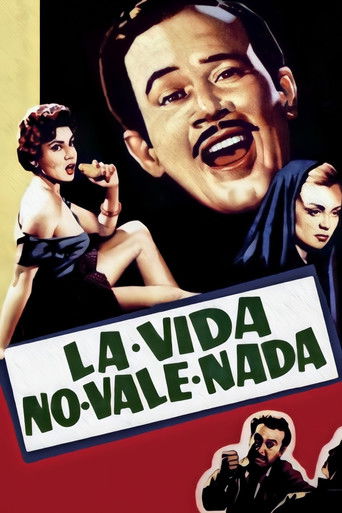
La Vida No Vale Nada
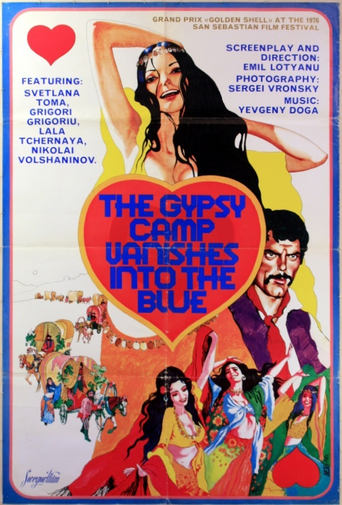
The Gypsy Camp Vanishes Into the Blue
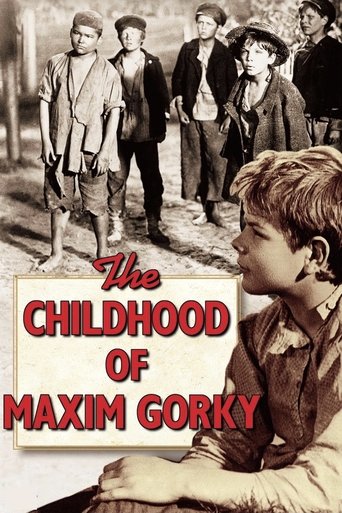
The Childhood of Maxim Gorky
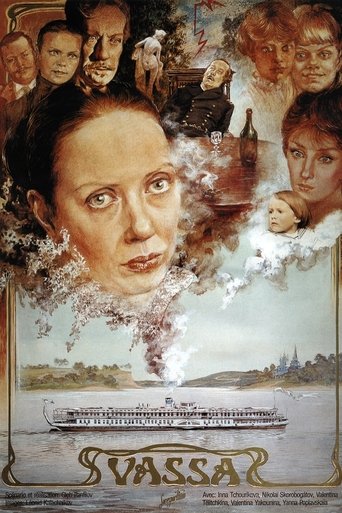
Vassa
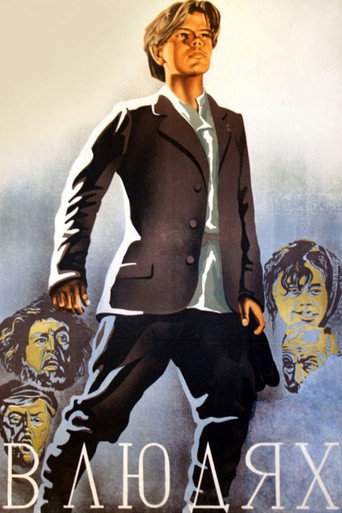
My Apprenticeship
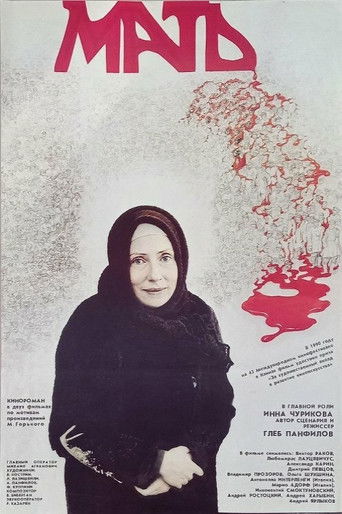
Mother
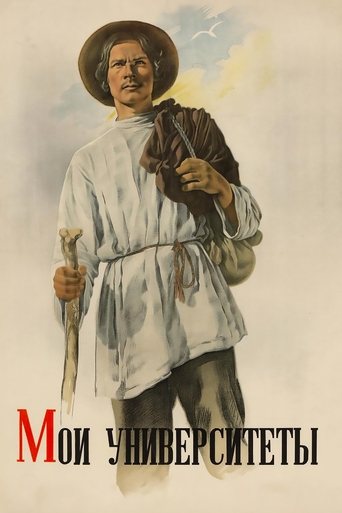
My Universities

Boles
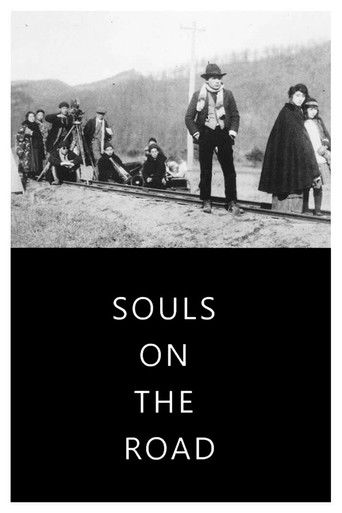
Souls on the Road
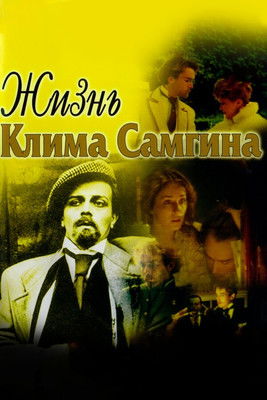
The Life of Klim Samgin
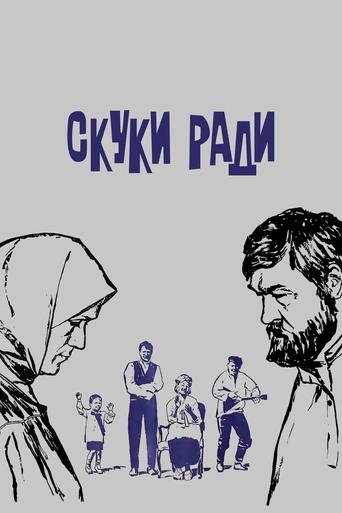
Out of Boredom
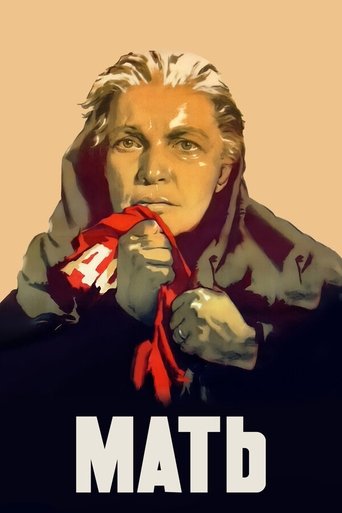
Mother

Malva
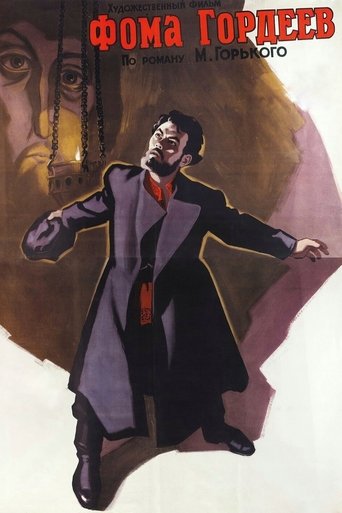
Foma Gordeyev

Yegor Bulychyov and Others
Movies (101)
The Lower Depths
The Lower Depths
Mother
La Vida No Vale Nada
The Gypsy Camp Vanishes Into the Blue
The Childhood of Maxim Gorky
Vassa
My Apprenticeship
Mother
My Universities
Boles
Souls on the Road
Out of Boredom
Mother
Malva
Foma Gordeyev
Yegor Bulychyov and Others
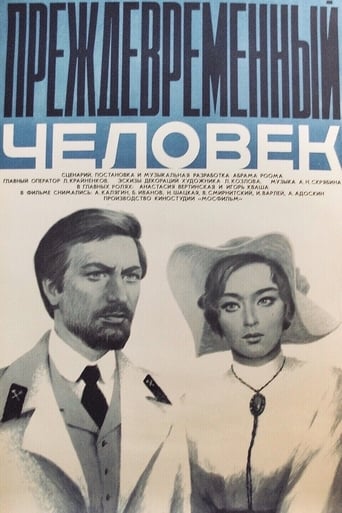
A Man Before His Time
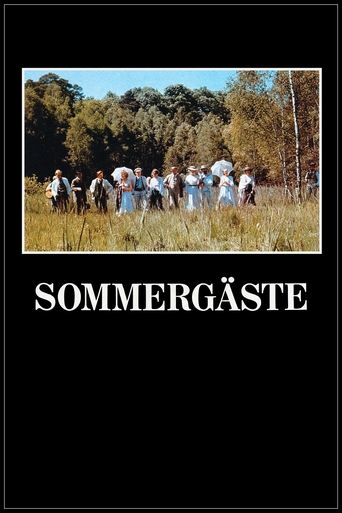
Summer Guests
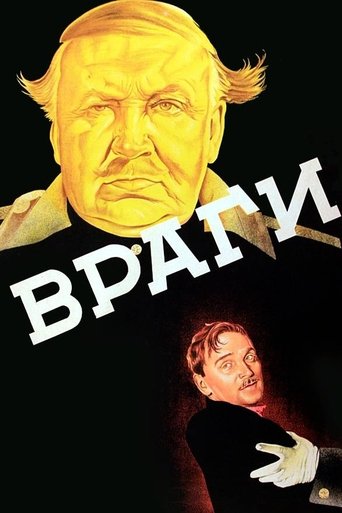
Enemies
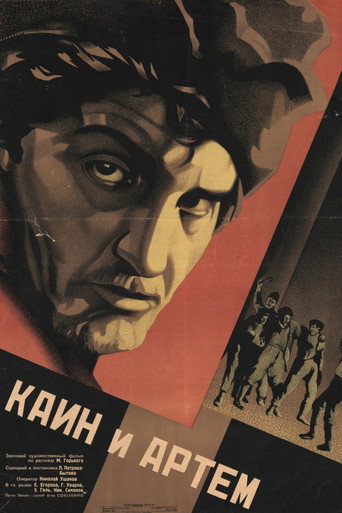
Cain and Artem

Across Rus'
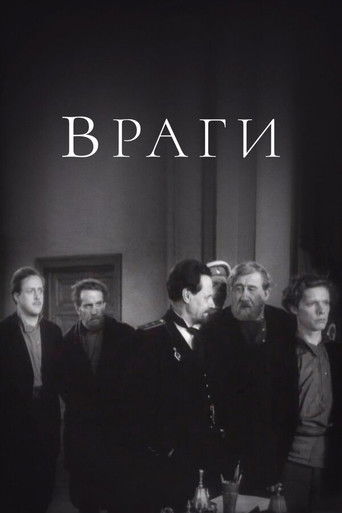
Foes
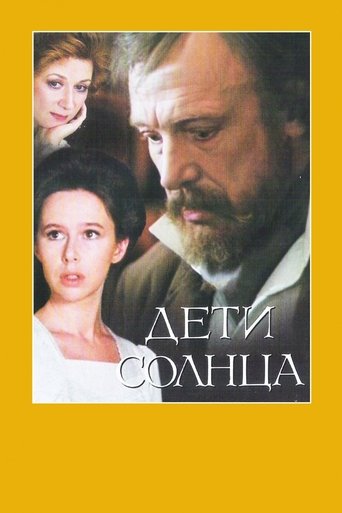
Children of the Sun

The Lower Depths

Ilaingan
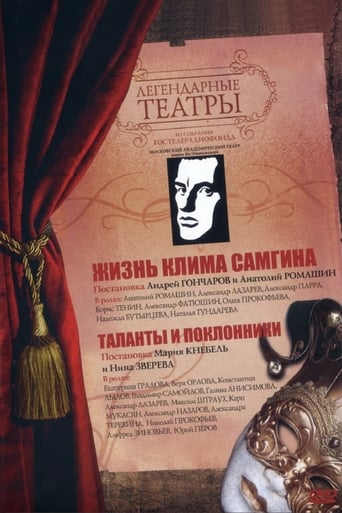
Life of Klim Samgin
The Madness of the Valiants
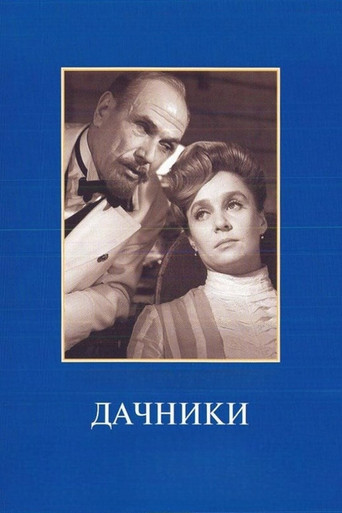
Summer Residents
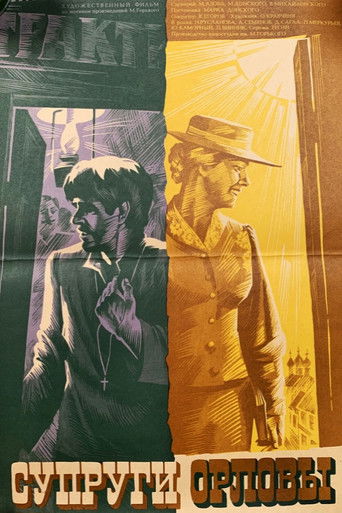
The Orlovs
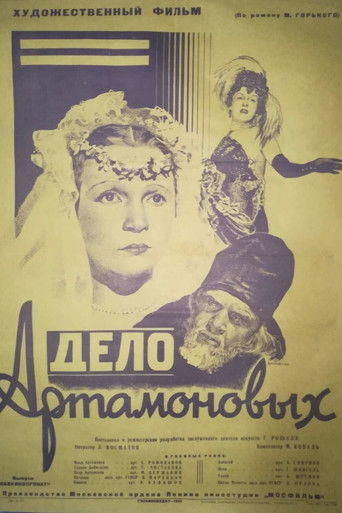
The Artamonov Case

Kinder der Sonne
Appassionata

The Mother

The Cure
Mother