Directing
Wojciech Has
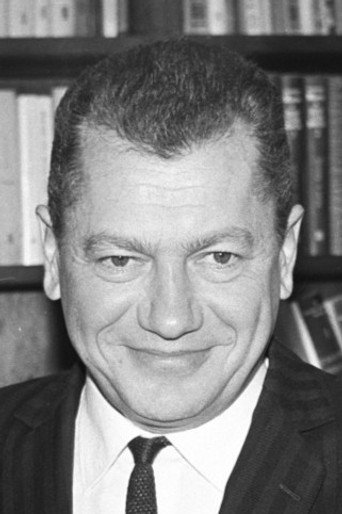
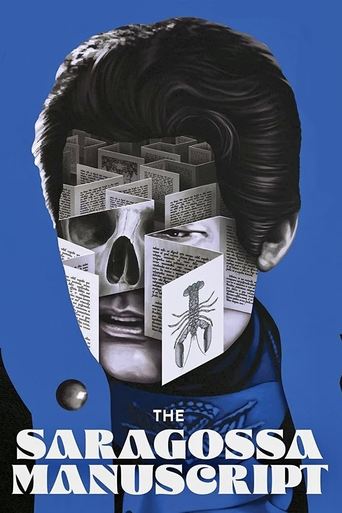
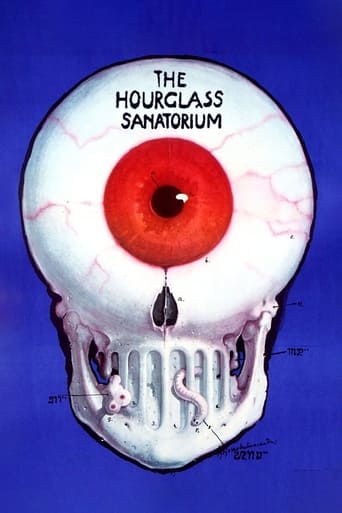
Wojciech Jerzy Has (April 1, 1925 – October 3, 2000) was a Polish film director, screenwriter and film producer. Wojciech Jerzy Has was born in Kraków, with Jewish origin on his father's side, and Roman Catholic on his mother's. During the wartime German occupation of Poland, Has studied at the Kraków Business and Commerce College and later clandestine underground classes at the Kraków Academy of Fine Arts - until it was disbanded in 1943. When the war ended, he went on to study at the reconstituted Academy of Fine Arts in Kraków. In 1946, Has completed a one-year course in film and began producing educational and documentary films at the Warsaw Documentary Film Studio, and in the 1950s moved on to work at Poland's premier filmmaking academy, the National Film Studio, in Łódź. Has made his debut with Harmony (Harmonia, 1948), a medium-length feature, and began making full-length feature films in 1957. In 1974, he was appointed as professor in the directing department at the National Film School in Łódź. Throughout his long and prolific career, he directed such notable films as The Saragossa Manuscript, The Doll and The Hour-Glass Sanatorium (also known as The Sandglass). Early on in his career, Has gained a reputation as an individualist who avoided political overtones in his art. He produced his most important films throughout the period when the Polish Film School was at its most prominent; however, his work possessed its own stylistic feeling that was independent of the over policial themes that dominated the prevailing Polish School. In practically every film, Has sought to create hermetic environments, in which the problems and storylines of his protagonists were always of secondary importance to the particular world he had created, characterized by an accumulation of random objects that formed unique visual universe. Has's oeuvre is commonly associated with Surrealist painting in Polish criticism. This is reinforced by the director's dream poetic and his use of objects, which are also characteristic of many canvasses by the Surrealists. Has also created a number of intimate psychological dramas during his career, such as How to Be Loved and Farewells, focusing on damaged individuals who have difficulty settling into life. In his work, he was fascinated by outsiders and people incapable of finding their place in reality. Two currents remain evident in Has's output: one was his cinema of psychological analysis, the other his films of visionary form, in which he most often used the motif of a journey. From Wikipedia, the free encyclopedia
Ask which Wojciech Has to watchBest known for
The Saragossa Manuscript
The Hourglass Sanatorium
The Noose

The Doll
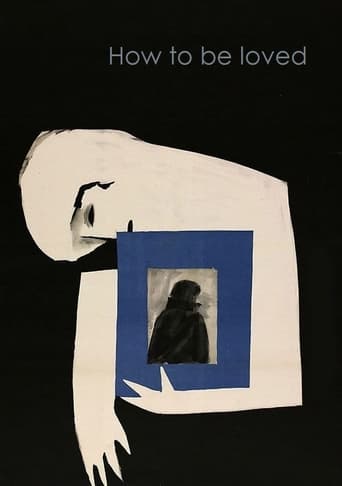
How to Be Loved
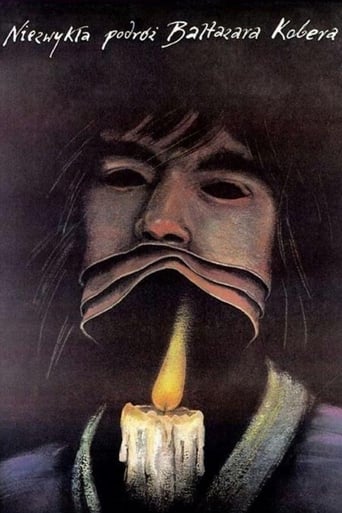
The Tribulations of Balthazar Kober
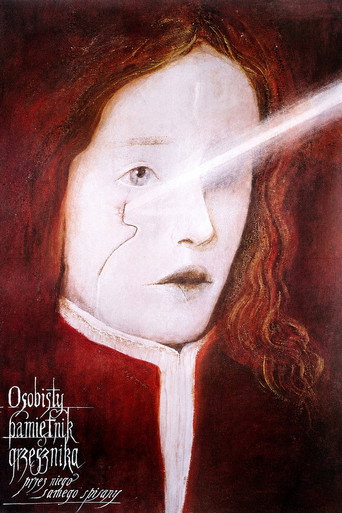
Memoirs of a Sinner
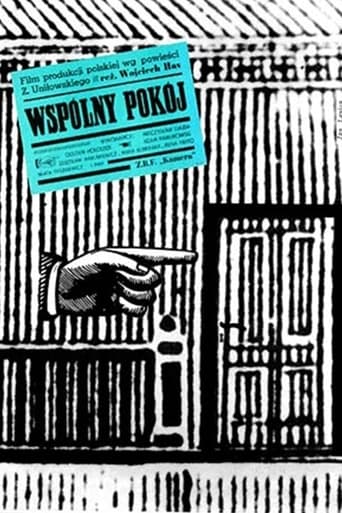
One Room Tenants
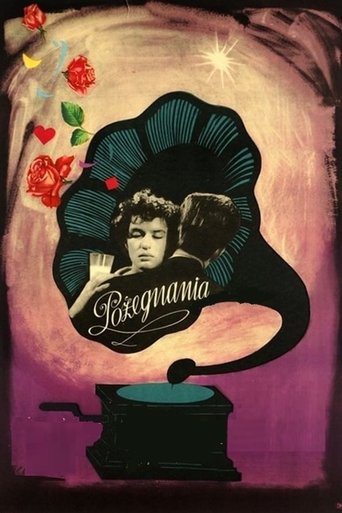
Farewells
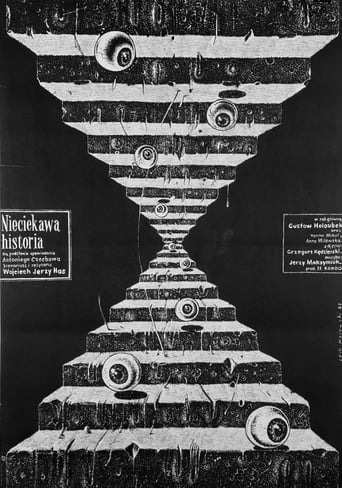
An Uneventful Story
Accordion
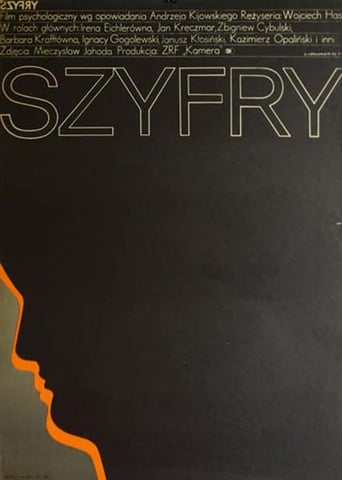
The Codes
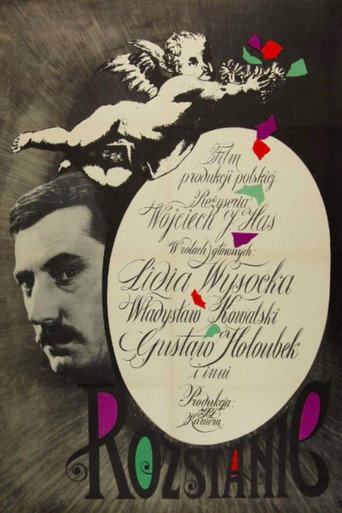
Goodbye to the Past

Gold Dreams
Write and Fight
My City
Brzozowa Street
November
Movies (34)
The Saragossa Manuscript
The Hourglass Sanatorium
The Noose
The Doll
How to Be Loved
The Tribulations of Balthazar Kober
Memoirs of a Sinner
One Room Tenants
Farewells
An Uneventful Story
Accordion
The Codes
Goodbye to the Past
Gold Dreams
Write and Fight
My City
Brzozowa Street
November
Conversation with a Cupboard Man
Steam Locomotive Pt 47
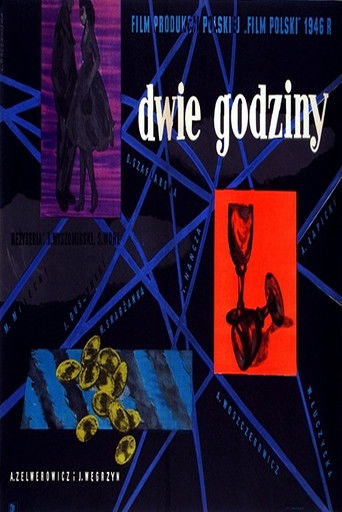
Two Hours
Janek’s Feeder
Scouts at a Rally

Centralized Control of Production Flow – Sugar
On, ona, oni
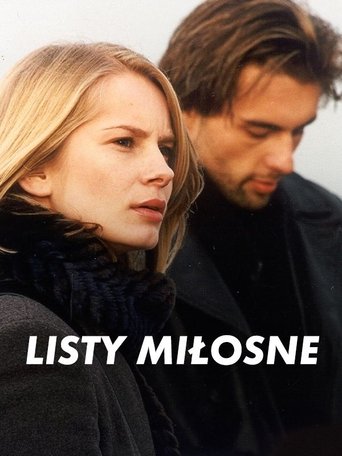
Listy miłosne
The First Crop
Ślady
Polish School
Description Found Years Later
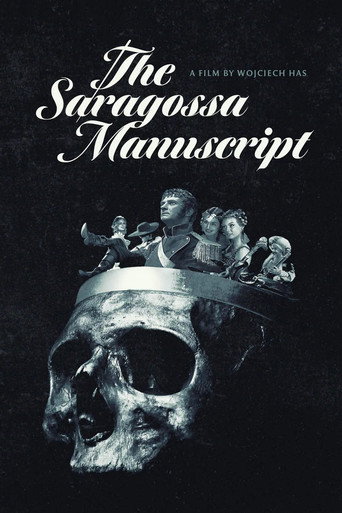
Saragossa
Herbalists of the Stony Valley
Our Team
Cultural Review 2/53