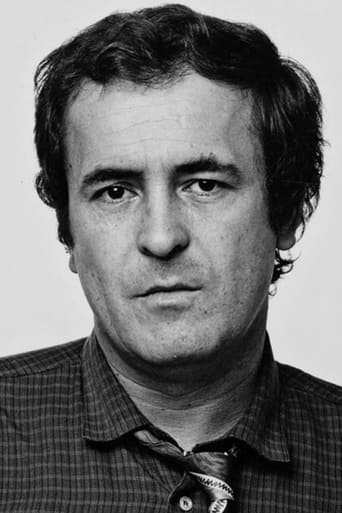
Directing
Bernardo Bertolucci
Bernardo Bertolucci (/ˌbɜːrtəˈluːtʃi/ BUR-tə-LOO-chee; Italian: [berˈnardo bertoˈluttʃi]; 16 March 1941 – 26 November 2018) was an Italian film director and screenwriter with a career that spanned 50 years. Considered one of the greatest directors in the history of cinema, Bertolucci's work achieved international acclaim. With The Last Emperor (1987) he became the first Italian filmmaker to win the Academy Award for Best Director, and he received many other accolades including a BAFTA Award, a César Award, two Golden Globes, a Golden Lion for Lifetime Achievement, and an Honorary Palme d'Or. A protégé of Pier Paolo Pasolini, Bertolucci made his directorial debut at 22. His second film, Before the Revolution (1964), earned strong international reviews and has since gained classic status, being called a "masterpiece of Italian cinema" by Film4. His 1970 film The Conformist, an adaptation of the Alberto Moravia novel, is considered a classic of international cinema, and was nominated for an Academy Award for Best Adapted Screenplay and the prestigious Berlin Golden Bear. His 1972 erotic drama Last Tango in Paris was controversial due to its rape scene and, later, comments made by actress Maria Schneider about her treatment on set. Bertolucci's later films such as the historical epic 1900 (1976), the family drama La Luna (1979), and the darkly comedic Tragedy of a Ridiculous Man (1981), were also controversial but acclaimed. His 1987 film The Last Emperor, a biopic of Chinese monarch Puyi, was a critical and commercial success, earning rave reviews and sweeping the 60th Academy Awards (including Best Picture and Best Director). This was the start of what has since been described as his "Oriental Trilogy", a trio of films including The Sheltering Sky, an adaptation of the novel of the same name, and Little Buddha, a Buddhist religious epic, all three of which feature scores by Ryuichi Sakamoto. His 1996 film, Stealing Beauty, brought him his second of two Palme d'Or nominations. He continued directing well into the 21st century, releasing his final film, Me and You, in 2012. Bertolucci's films often deal with themes of politics, sexuality, history, class conflict and social taboos, and his style has influenced several filmmakers. Several of his films have appeared on lists of the greatest films of all time. Critics have remarked that what makes Bertolucci different than other directors is his masterful combination of "visual richness and visual freedom". Description above from the Wikipedia article Bernardo Bertolucci, licensed under CC-BY-SA, full list of contributors on Wikipedia.
Ask which Bernardo Bertolucci to watchBest known for
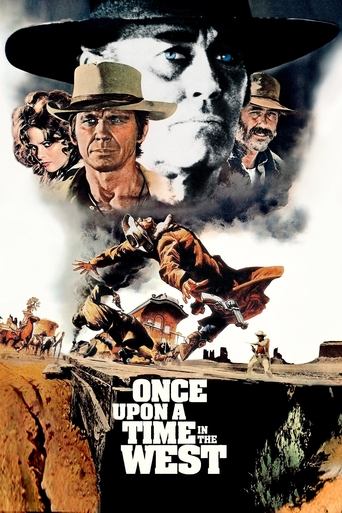
Once Upon a Time in the West

The Dreamers
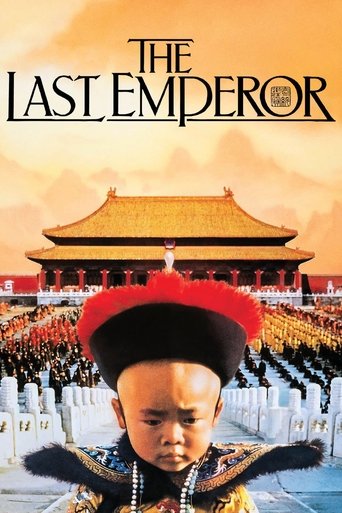
The Last Emperor
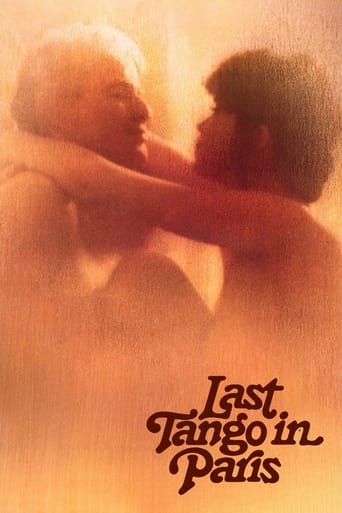
Last Tango in Paris
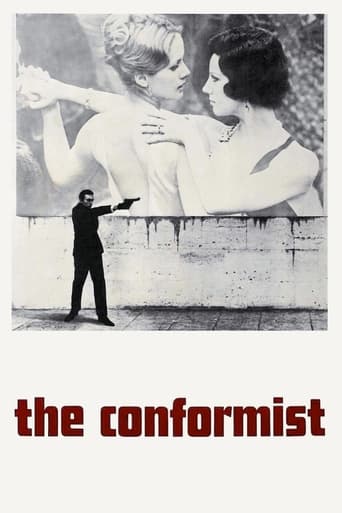
The Conformist
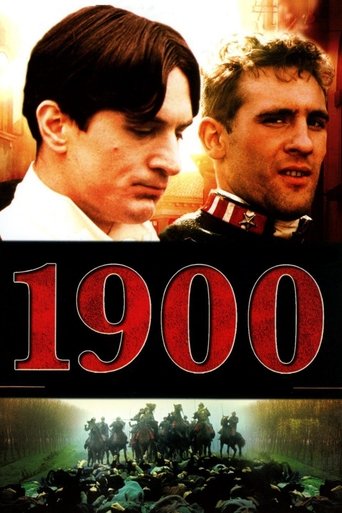
1900
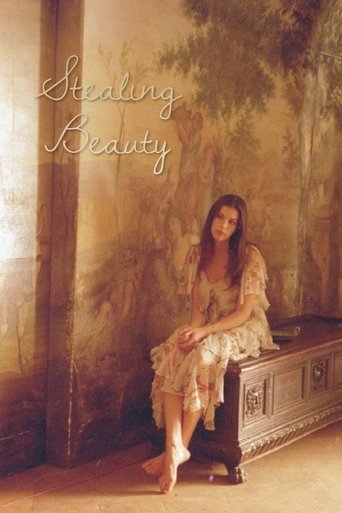
Stealing Beauty
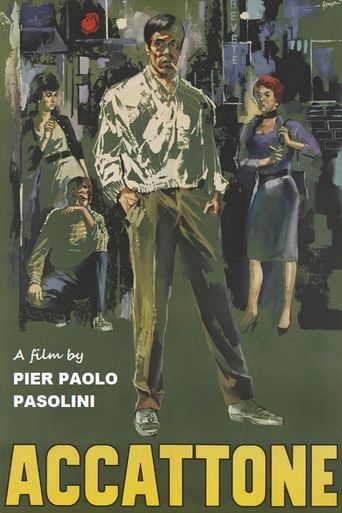
Accattone
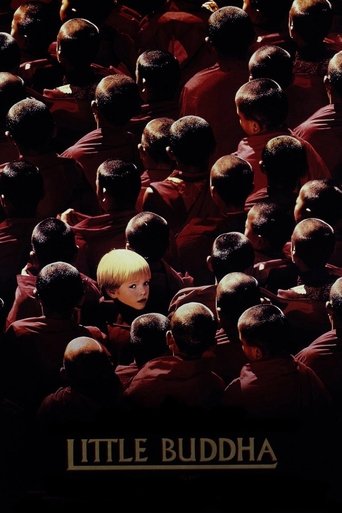
Little Buddha
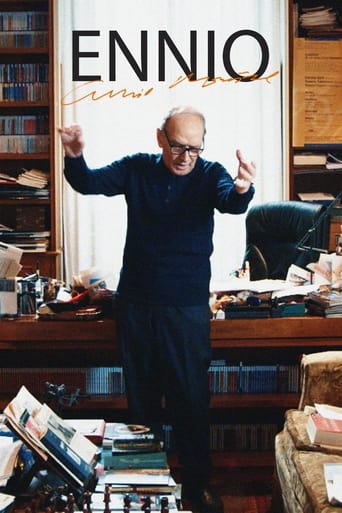
Ennio

The Sheltering Sky

Me & You
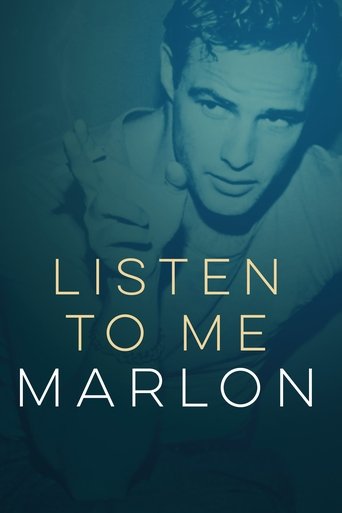
Listen to Me Marlon
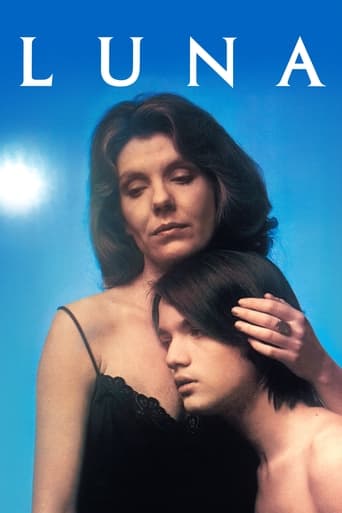
Luna
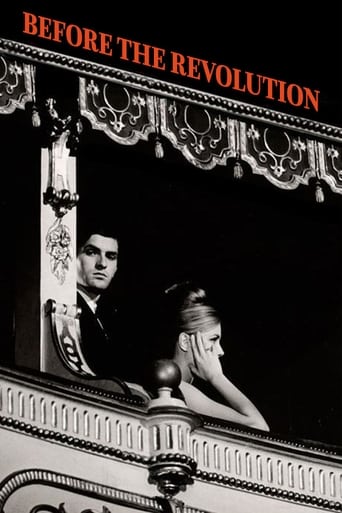
Before the Revolution
The Spider's Stratagem

Porn to Be Free

La Commare Secca
Movies (115)
Once Upon a Time in the West
The Dreamers
The Last Emperor
Last Tango in Paris
The Conformist
1900
Stealing Beauty
Accattone
Little Buddha
Ennio
The Sheltering Sky
Me & You
Listen to Me Marlon
Luna
Before the Revolution
The Spider's Stratagem
Porn to Be Free
La Commare Secca
Besieged
Seduced and Abandoned

Tragedy of a Ridiculous Man

Partner
Ten Minutes Older: The Cello
Love and Anger

The Triumph of Love
Venice 70: Future Reloaded
The Echo Chamber
How We Got the Italian Movie Business Into Trouble: The True Story of Franco and Ciccio
Marlon Brando: An Actor Named Desire

Great Directors
… But Film Is My Mistress
Kurosawa's Way
Whoever Says the Truth Shall Die
Chaplin Today: Limelight
Elio Petri: Notes About a Filmmaker
Playboy: The Story of X